 See Our Result
 - January 25, 2026
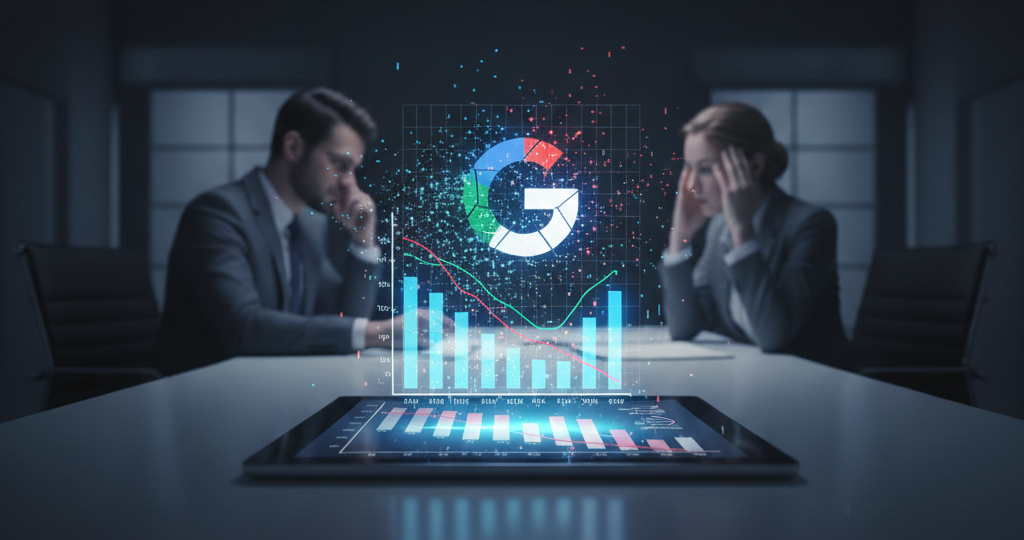
When it comes to D2C brands, Google Ads are often the biggest growth lever. However, they are also the fastest way to burn money if not managed correctly. Still, most D2C brands only realize something is wrong after months of declining ROAS, flat growth charts, and increasing customer acquisition costs.
The hard truth is that most Google Ads agencies for ecommerce fail to deliver meaningful results for D2C businesses. This happens because Google Ads are optimized for platform execution—not ecommerce economics. Once you understand where these agencies fail and what actually works, you can make informed decisions without exhausting your entire budget.
It’s common for D2C businesses to blame algorithms, rising competition, or seasonality for poor performance. In reality, these failures are structural—and highly predictable.
One of the most common mistakes D2C brands make is working with agencies that staff accounts with media buyers who have little to no understanding of the business itself.
These media buyers may be excellent at managing dashboards, but they optimize bids, keywords, and creatives without understanding price sensitivity, contribution margins, fulfillment and return costs, or repeat purchase behavior. Running Google Ads without deep business context almost always leads to losses.
Another major failure is the misuse of ROAS. Most Google Ads agencies never answer the most important question:
Would this revenue have happened anyway?
ROAS is often inflated due to brand search capturing existing demand, remarketing to organic or email traffic, and Performance Max absorbing demand that already existed.
Without incrementality analysis, agencies overstate performance while underdelivering real profit and sustainable growth.
Many founders hire agencies based on confidence, pitch decks, or the number of services offered—rather than operational depth.
Agencies claiming expertise across every platform (Google Ads, Meta Ads, TikTok, etc.) often lack depth where it matters most for D2C: feed optimization, search intent segmentation, Performance Max control, and advanced bidding logic.
A major red flag is when agencies believe their responsibility ends at managing the ad account.
Warning signs include zero involvement in product feed quality, no insights into landing page performance, and no ownership of analytics accuracy.
Without clean data and a strong post-click experience, even the best Google Ads campaigns will fail. A reliable Google Ads agency for ecommerce understands that traffic quality, conversion rates, and measurement integrity are inseparable.
Strong Google Ads agencies don’t rely on hacks or false promises. They operate with discipline, structure, and accountability.
The right agency thinks beyond clicks. They plan strategies aligned with discovery vs. demand capture, and first-time vs. returning customers.
Scaling and optimizing are not the same. Agencies that try to do both simultaneously rarely succeed.
A competent Google Ads agency clearly communicates trade-offs, increases budgets strategically, and scales without collapsing ROAS.
Google Ads agencies don’t fail D2C brands because Google Ads no longer work—they fail because D2C requires a completely different way of thinking.
Choosing the right Google Ads agency for D2C isn’t about who can manage ads. It’s about who truly understands how ecommerce businesses grow profitably.
Google Ads success for D2C depends on conversion rates, repeat purchases, margins, and payback periods—not just cost per click.
No. Incrementality, contribution margin, and customer payback period must also be evaluated.
Agencies may not execute CRO directly, but they should diagnose issues and influence post-click performance.
Not entirely. Without proper structure and controls, Performance Max often overlaps with existing demand.
Typically 60–90 days with stable budgets and clean tracking to make an accurate assessment.